
Energy and power equipment is often exposed to moisture, temperature changes, dirt and chemicals that can damage metal surfaces and lead to corrosion. Manufacturers need finishes that protect components while meeting the requirements of each project.
Rhinehart Finishing provides protective coatings for energy equipment through industrial powder coating, liquid spray painting, and surface preparation services. We work with manufacturers on parts that require dependable finishes, careful handling, and attention to specifications. Our team can review your components and coating requirements before production begins.
Why Protective Coatings Matter for Energy Equipment
Equipment used in power generation and energy infrastructure may spend years exposed to outdoor conditions or demanding industrial environments. Unprotected metal can develop rust and surface damage. Abrasion can wear away a finish, leaving the material beneath more vulnerable to corrosion. These problems can lead to added maintenance, repair work, and replacement costs.
A suitable coating system helps limit contact between the metal and its surroundings. The finish must be selected for the component and the conditions it will face. Surface preparation and correct application are also important. Together, these steps help manufacturers meet corrosion protection requirements and maintain the condition of finished parts.
Industrial Coating Services for Energy Equipment
Rhinehart offers multiple finishing processes for industrial applications that require corrosion protection. The right approach depends on part size, material, geometry, production needs, and customer specifications. Our team reviews these details to help determine an appropriate finishing process.
Powder Coating
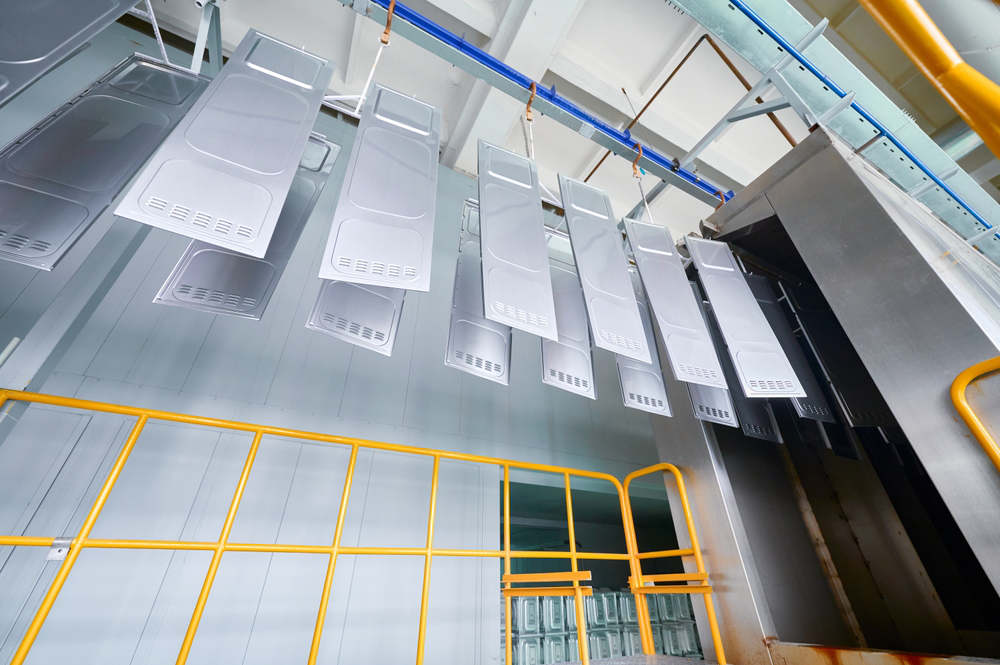
Powder coating creates a protective finish on suitable metal parts. The applied powder is cured to form a bonded coating that can resist wear and environmental exposure when properly specified. It’s an option for brackets, frames, housings, and other fabricated components that fit the coating equipment.
Powder coating is also suitable for repeat production runs that require specific finishes. Rhinehart can review part dimensions, masking needs, and specified finish requirements before work begins.
Liquid Spray Painting
Liquid spray painting offers flexibility for components with detailed shapes, specified colors, or particular finish requirements. Depending on the coating specification, liquid systems may be suitable for parts that cannot use a powder coating process.
Rhinehart operates industrial spray painting equipment and can discuss coating requirements for individual components or production orders.
Surface Preparation and Zinc Phosphate Pretreatment
Even a well-chosen finish can perform poorly when applied to an improperly prepared surface. Oils, dirt, rust, and other contaminants may interfere with adhesion. Cleaning and pretreatment prepare the substrate for coating and help support corrosion resistance.
Rhinehart provides mechanical cleaning and zinc phosphate pretreatment as part of its finishing capabilities. The preparation method depends on the metal, its condition, and the coating specifications.
Energy and Power Equipment Applications
Energy manufacturers use coated metal parts in a wide range of assemblies. Potential applications include equipment enclosures, brackets, support frames, covers, and fabricated housings. These components may be used in power-generation facilities, electrical equipment assemblies, and supporting infrastructure.
Renewable energy equipment can present similar finishing needs. For example, metal support hardware associated with wind or solar installations may require protection against moisture and outdoor exposure. Component dimensions, material, and site conditions all affect the type of finish required. Rhinehart can evaluate proposed work against its equipment capabilities and the customer’s specifications.
Coating requirements can also vary across oil, gas, and mining equipment. A part installed indoors doesn’t face the same conditions as equipment exposed to rain, dust, or industrial chemicals. Manufacturers should identify these conditions before selecting a coating.
Choosing the Right Coating System for Energy Equipment
Coating selection starts with the part itself. Manufacturers should identify the substrate, dimensions, expected exposure, appearance requirements, and any applicable specifications. Masked surfaces, threaded areas, and mating features may also need special attention during finishing.
Corrosion resistance is one consideration, but adhesion, abrasion, cure requirements, and the finished part’s intended use also influence the decision. Drawings and coating specifications help Rhinehart assess the project's requirements. Sharing production quantities and delivery requirements early can also help with planning.
Why Choose Rhinehart Finishing?
Rhinehart Finishing operates a 100,000-square-foot production facility serving manufacturers with industrial painting and finishing needs. The company holds ISO 9001:2015 certification and has experience working with defined coating specifications. Its facilities support powder coating, liquid spray painting, pretreatment, detailing, and quality testing.
An in-house quality testing lab supports inspection of finished components. Depending on project requirements, available testing includes salt spray corrosion testing, scratch testing, and impact testing. The team can also discuss customer-specific inspection and documentation needs before production.
Manufacturers that need work completed before finishing can also coordinate with Rhinehart Development, the neighboring sister company offering metal fabrication, stamping, and welding. This connection can reduce separate supplier handoffs and make project planning easier. Rhinehart’s program management services further support order coordination and production requirements.
A review before production also helps identify practical issues, such as access to recessed surfaces, areas that must remain uncoated, and how parts will be handled after finishing. For repeat orders, these details help Rhinehart maintain the specified finishing requirements. The team can review them with customers before preparing an estimate or production plan.
Frequently Asked Questions About Energy Equipment Coatings
What Types of Protective Coatings Are Used on Energy Equipment?
Powder and liquid coating systems are two options for suitable metal components. The best choice depends on the substrate, required finish, part dimensions, and service environment. Some projects also call for specific pretreatment methods.
How Do I Choose the Right Coating for My Equipment?
Start with the equipment’s material, operating conditions, and coating specifications. Include drawings, part dimensions, masking instructions, and expected order quantities when contacting Rhinehart. The team can review the requirements and discuss suitable finishing capabilities.
Request a Quote for Energy and Power Coating Services
If you manufacture components for the energy and power industry, Rhinehart Finishing can help you review your finishing needs. Tell us about your parts, required coatings, production volumes, and delivery schedule. Our team will discuss the available services and the next steps for your project. Contact Rhinehart Finishing today to request a quote for your energy equipment coating work.